

Preparing a nursery in 2026 is no longer just about aesthetics, it’s about parental ergonomics, regulatory compliance, and long-term usability. Among all nursery furniture, the baby change table is one of the most physically demanding pieces parents will use, often multiple times a day for more than a year.
Is a change table necessary in 2026?
While not mandatory, a dedicated waist-height changing station significantly reduces the long-term back strain associated with the 5,000+ nappy changes the average Australian baby requires before potty training.
For Australian parents particularly those in Melbourne, where homes range from compact inner-city terraces to larger family houses, choosing the right baby change table is a decision that directly affects safety, comfort, and daily routines.
Why Baby Change Tables Deserve More Thought in 2026
A poorly designed change table can quietly create problems:
- Repeated lower-back strain for parents
- Unsafe rolling or tipping risks
- Insufficient storage during changes
- Furniture that becomes unusable within a year
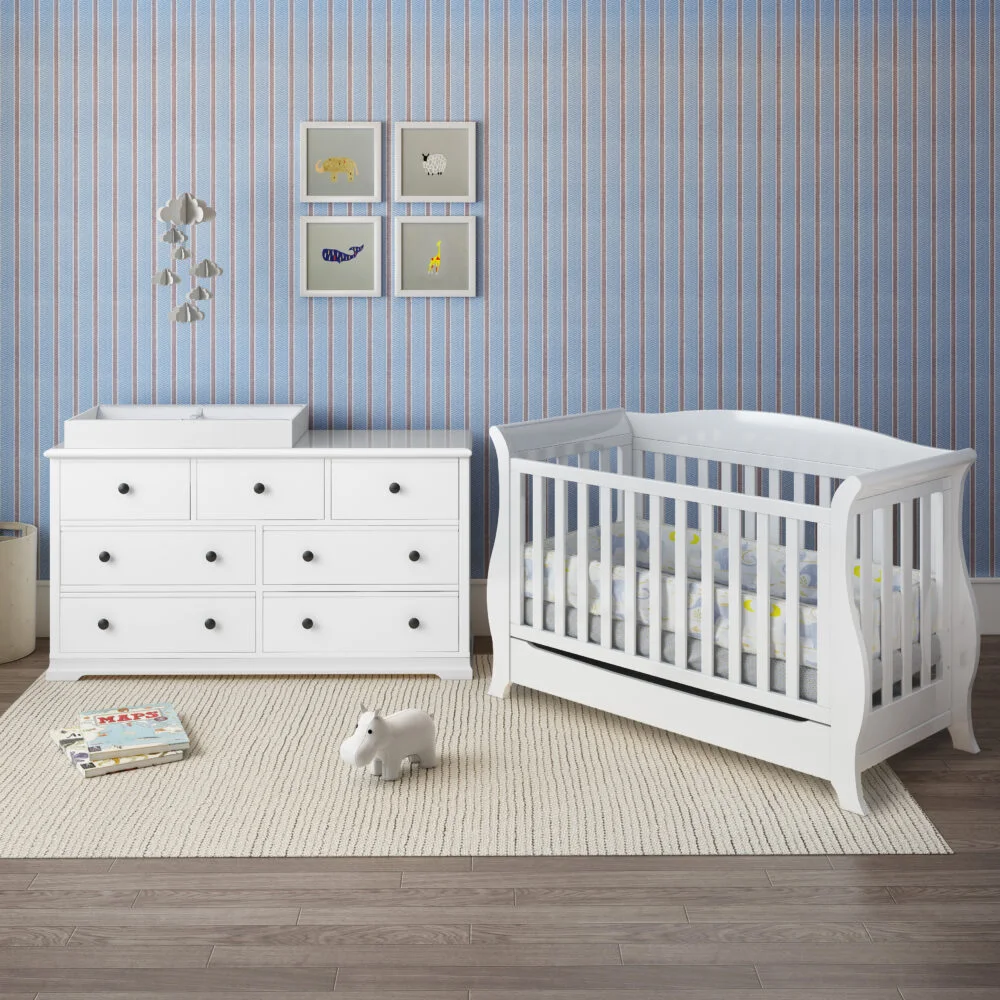
Modern baby changing tables are now designed to address these issues through better height, integrated storage, safer materials, and conversion options.
What Is the Best Baby Change Table Height for Your Back?
Ergonomic Snapshot: The Parent’s Back-Saver (Featured Snippet Target)
- Standard Height: 90–95 cm (ideal for the average Australian parent)
- Taller Parents (183 cm+): 96–102 cm to avoid hunching
Correct height is the single most important factor in preventing long-term discomfort.
Safety & Compliance: What Changed in January 2026
In 2026, safety compliance is no longer optional knowledge for parents it’s essential.
Expert regulatory insight:
By early 2026, updated Australian mandatory standards for infant products were in effect. When choosing a baby change table, parents should ensure it complies with the Consumer Goods (Infant Products) Safety Standard 2024, which introduced stricter requirements around:
Quick safety rule: Always keep one hand on your baby and use a stable change table with raised edges and secure footing.
- Stability and tip resistance
- Entrapment hazards
- Structural durability under load
Any change table sold or used should meet or exceed these updated standards.
Storage Matters: Why Drawers Are Now the Preferred Choice
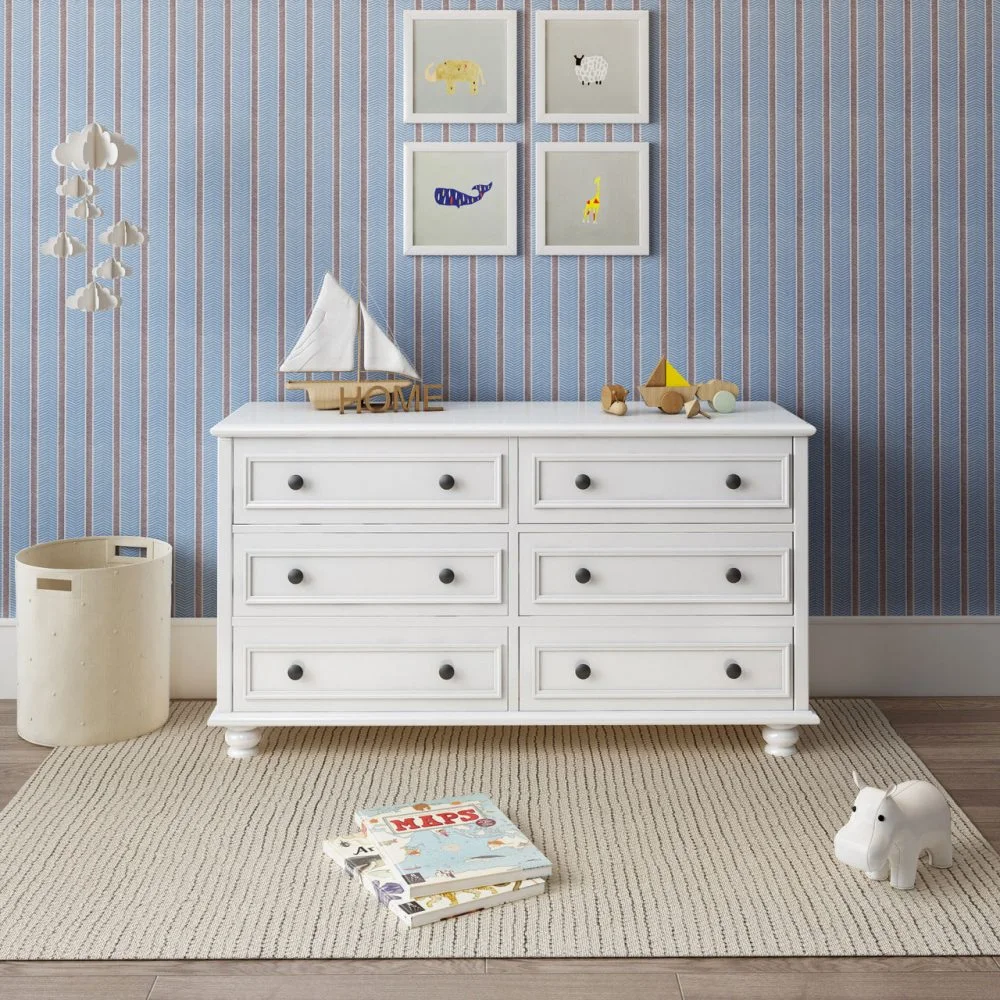
Parents increasingly choose a baby change table with drawers rather than open shelving and for good reason.
Why Drawers Improve Safety & Routine
- One-handed access while keeping a hand on the baby
- Reduced clutter in sleep-focused environments
- Better organisation for nappies, wipes, and clothing
- Less chance of items falling during changes
This shift explains the growing popularity of baby change table drawers, baby drawers and change table, and dresser-style combinations across Australia.
Standalone Table, Dresser Combo, or Cot-Top Changer?
| Feature | Standalone Table | Changer/Dresser Combo | Cot-Top Changer |
| Space Footprint | Moderate | Large | Zero (fits on cot) |
| Storage Capacity | Low–Medium | High (drawers) | None |
| Longevity | Low (1–2 years) | High (grows with child) | Low |
| Best Suited For | Dedicated nurseries | Long-term investment | Small Melbourne apartments |
Parents seeking longevity increasingly prefer baby change table and drawers combinations or baby cot and change table sets that transition beyond the newborn stage.
Material Choice: Hygiene, Durability & Indoor Air Quality
A change table is wiped, sanitised, and handled daily materials matter.
Look for:
- Solid timber or reinforced engineered wood
- Low-VOC finishes– Low-VOC finishes matter because nurseries are enclosed spaces, and babies are more sensitive to airborne chemical emissions than adults.
- Smooth, sealed surfaces for hygiene
- Rounded corners to reduce injury risk
Melbourne Micro-Climate Insight
In Melbourne’s bayside suburbs and older Victorian terraces where humidity and temperature shifts are common solid timber often outperforms thin laminates. It is less likely to swell, peel, or degrade under frequent cleaning.
Parents also increasingly prioritise FSC-certified nursery furniture, ensuring materials are responsibly sourced.
Long-Term Thinking: Furniture That Grows With Your Child
One of the most common regrets parents report is buying a change table that becomes useless within a year. Many families prefer change tables that remain useful through toddler years (around age 2–3) by converting into drawers or general storage.
Modern designs increasingly feature:
- Removable changing toppers
- Conversion into drawers or storage units
- Montessori-aligned storage that encourages independence later
This is why many parents now view the best baby change table as one that transitions into everyday furniture.
Melbourne Housing Patterns: Local Fit Matters
Melbourne’s housing diversity shapes nursery choices.
- Inner Suburbs (Fitzroy, Brunswick):
Wall-mounted or foldable change tables suit narrow Victorian renovations where every centimetre counts. - Growth Corridors (Werribee, Cranbourne):
Larger master bedrooms often accommodate full nursery suites, including baby cot and change table sets with generous drawer storage.
Understanding these patterns helps parents choose furniture that fits both space and lifestyle.
Buying a Baby Change Table Online in Australia
Many parents now research the best baby change table online, where specifications are clearer and comparisons easier.
Buying online allows you to:
- Check dimensions and height precisely
- Confirm compliance and materials
- Read verified parent reviews
- Plan delivery ahead of arrival
Retailers such as Hallams Home focus on clear product specifications and nursery-appropriate materials, helping parents make informed decisions from home.
Common Mistakes to Avoid
- Choosing aesthetics over stability
- Ignoring height and ergonomics
- Insufficient drawer storage
- Furniture that cannot be repurposed
Avoiding these mistakes can significantly improve daily routines.
Conclusion: Designing for Safety, Comfort, and Calm
A baby change table may seem like a small part of a nursery, but it supports thousands of hands-on moments during early parenthood. The right choice protects parents’ backs, keeps babies safer, and brings calm to daily care routines.By focusing on ergonomic height, 2026 safety compliance, durable materials, and long-term usability, Australian parents especially those in Melbourne can choose a change table that genuinely supports family life from day one.

