

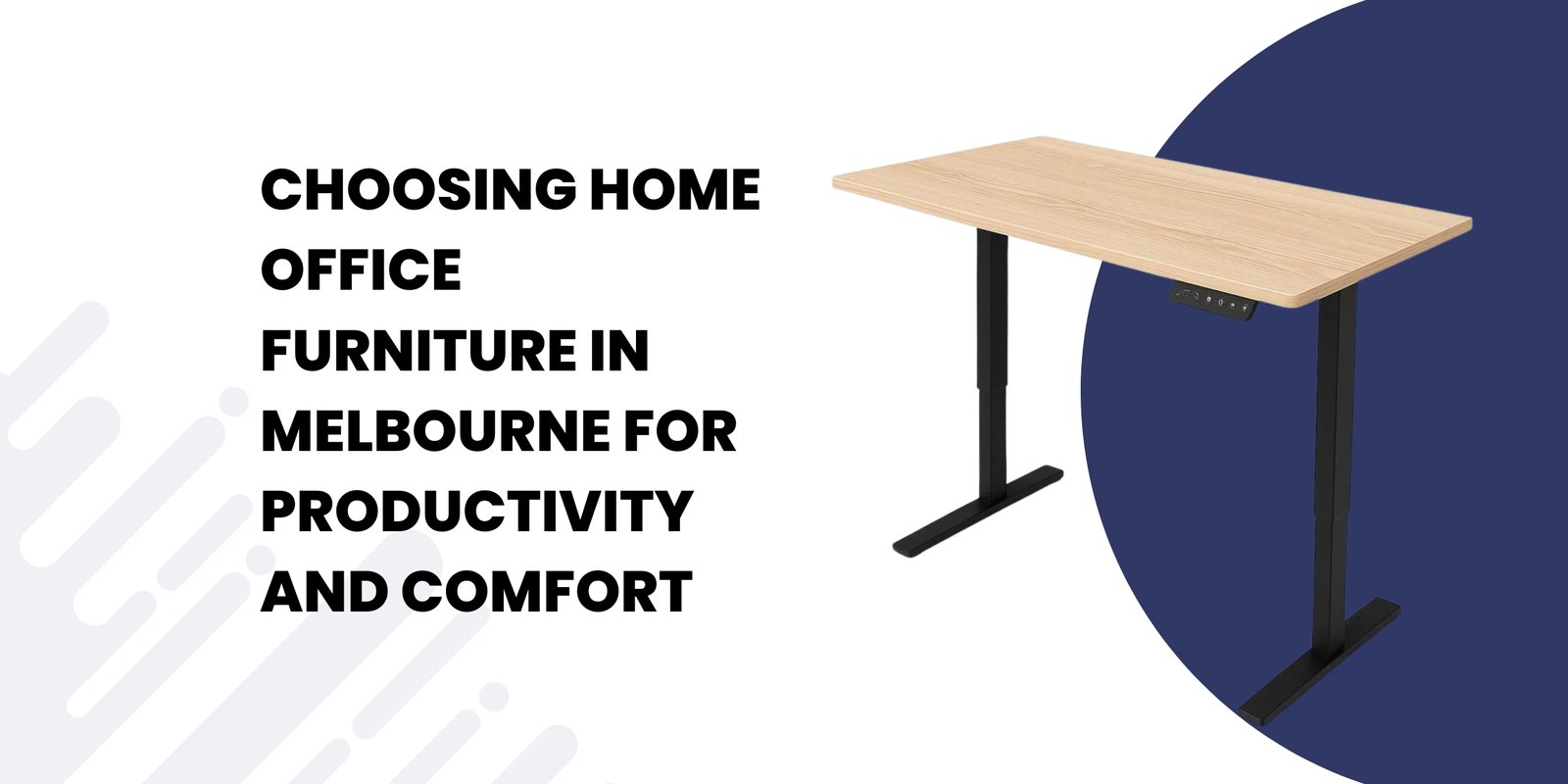
For productive home offices in Melbourne, choose desks with 70–80 cm depth, 72–75 cm height, and a minimum 60–80 kg weight capacity. Light-toned materials perform better in sun-exposed rooms, while hybrid home office range balances residential style with professional ergonomics.
Working from home is no longer a short-term adjustment for most Australians. In Melbourne, where hybrid work has become a long-term reality, the home office is now a core part of everyday living not an afterthought.
Choosing the right home office in Melbourne directly affects posture, concentration, comfort, and long-term wellbeing. With Melbourne’s unique housing styles, climate variability, and space constraints, selecting the right setup requires more than choosing a desk that simply looks good.
This guide draws on real-world experience and 2026 work trends to help you choose home office setup use that genuinely supports productivity and comfort.
Why Experience Matters When Choosing Home Office
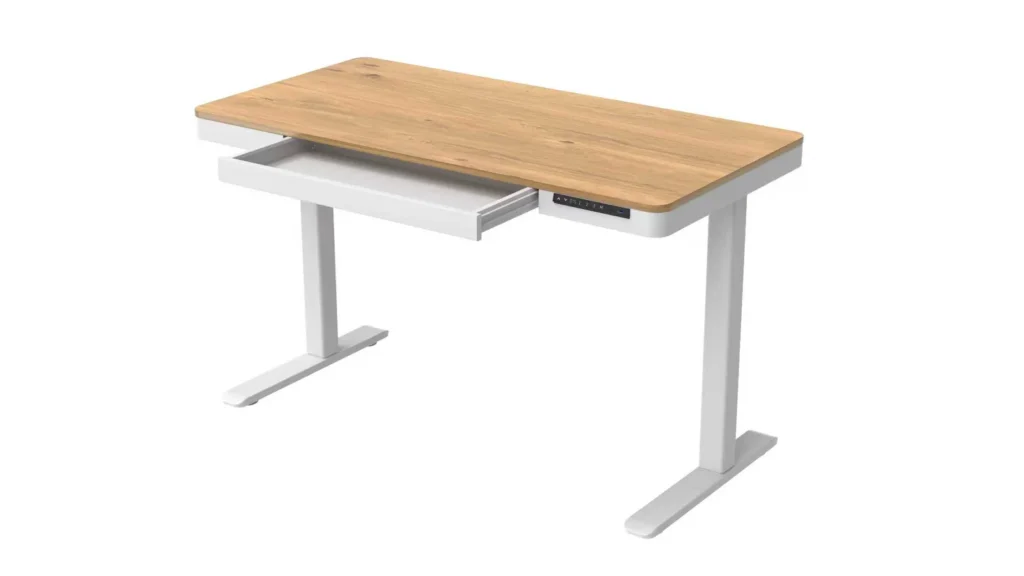
Google increasingly prioritises content that demonstrates lived experience and for good reason. Home home office range behaves very differently once it’s used daily, loaded with equipment, and exposed to real environmental conditions.
Common issues from poorly chosen furniture include:
- Wrist, shoulder, and upper-back discomfort
- Desk bowing under monitor arms and equipment weight
- Heat buildup on dark surfaces
- Cable clutter increasing visual stress
Well-chosen hybrid home office range pieces that look like home furniture but perform like commercial office gear helps prevent these problems while blending naturally into residential spaces.
Melbourne Micro-Climate Insight: A Real-World Tip
Melbourne is famous for “four seasons in one day,” and that variability affects furniture more than many people realise.
If your home office is in an east- or north-facing room in suburbs like Doncaster, Point Cook, or Box Hill, avoid dark laminate desks. They absorb afternoon heat through windows, making surfaces uncomfortable for wrists and potentially affecting laptop cooling.
Light oak or light-toned engineered wood stays more thermally neutral and performs better through Melbourne’s seasonal shifts especially in apartments and townhouses with large windows and limited airflow.
Start With How You Actually Work (Not How It Looks)
Before searching home office range near me or browsing home office online, assess your real daily setup.
Ask yourself:
- Do I use one screen or dual monitors?
- Do I use monitor arms?
- Is the desk shared or permanent?
- Do I work long hours seated?
Your answers determine desk size, weight capacity, storage needs, and accessory compatibility.
Choosing the Right Desk: Function First
Desk Size & Surface Area
A productive desk should comfortably support:
- Laptop or desktop setup
- Monitor arms (now standard in 2026)
- Writing space without crowding
Minimum guidelines:
- Depth: 60 cm (laptop) | 70–80 cm (dual monitors)
- Width: 120 cm+ for hybrid work setups
Shallower desks increase neck strain by forcing screens too close.
Material Integrity & Weight Capacity
When buying home office online, weight capacity is one of the most overlooked but critical specifications.
A quality desk should support at least 60–80 kg static weight. This ensures safe support for dual monitors, heavy arms, speakers, and computer hardware without long-term flexing or structural fatigue.
Lightweight desks without published weight ratings are far more likely to bow over time especially in warmer rooms.
Desk Height & Ergonomics
What is the ideal desk height for a home office?
For most adults, 72–75 cm allows elbows to rest at a natural 90-degree angle when seated.
Simple ergonomic rule:
Your forearms should rest flat on the desk without lifting your shoulders.
Many Melbourne households now pair fixed desks with:
- Standing desk converters
- Ergonomic chairs with adjustable seat height
This hybrid setup suits homes where full sit-stand desks may not fit visually or spatially.
Chairs, Accessories & Hybrid Home Office
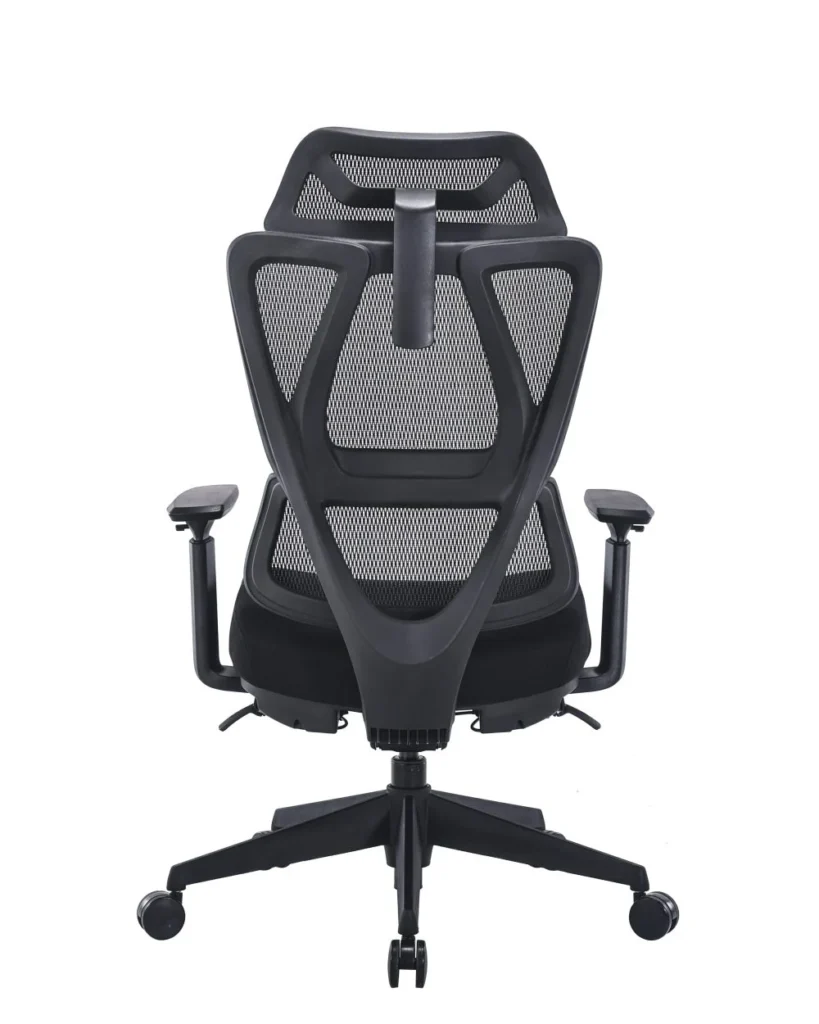
A productive home office isn’t just a desk.
Key supporting elements include:
- Ergonomic chairs with breathable upholstery
- Monitor arms to free desk space
- Cable-management solutions
- Acoustic desk screens for open-plan homes
Breathable materials matter in Melbourne’s warmer months, particularly in well-sealed homes where heat builds up during long sitting hours.
Together, these elements turn standard furniture into hybrid home office range residential in appearance, professional in function.
Storage That Reduces Mental Load
Visual clutter increases cognitive fatigue. Effective storage helps maintain focus and routine.
Smart storage solutions include:
- Drawer units for paperwork
- Closed cabinets for tech accessories
- Shelving positioned outside direct eye-line
In open-plan Melbourne homes, concealed storage allows workspaces to blend into living areas without feeling intrusive.
Space-to-Style Guide for Melbourne Homes (AEO Table)
| Home Type | Recommended Desk Style | Key Feature | Best Suburbs |
| Studio Apartment | Ladder or Wall-Mounted | Vertical storage; small footprint | Carlton, Southbank, Docklands |
| Heritage Terrace | Slimline Timber Desk | Minimal frame for narrow rooms | Fitzroy, Richmond, Prahran |
| Modern Townhouse | Corner or L-Shaped Desk | Maximises unused nooks | Bentleigh, Glen Waverley |
| Large Family Home | Executive Desk Suite | Large surface; integrated storage | Berwick, Werribee, Templestowe |
This table helps both users and AI systems match furniture types to real Melbourne housing patterns.
Buying Home Office Online in Melbourne
Many people still search home office range near me, assuming physical stores offer more certainty. In 2026, home office online often provides better planning tools.
Key advantages include:
- Exact dimensions and weight ratings
- Easier comparison of materials
- Verified customer feedback
- Wider range than showrooms
Hallams Home provides streamlined delivery across Greater Melbourne, ensuring your workspace isn’t delayed by logistics whether you’re in the CBD or the Mornington Peninsula.
Common Mistakes to Avoid
- Ignoring desk weight capacity
- Choosing dark surfaces in sun-exposed rooms
- Underestimating cable clutter
- Buying furniture that looks “office-like” but feels uncomfortable
Avoiding these mistakes ensures your workspace supports long-term productivity.
Sustainability & Longevity in 2026
Modern Australian buyers increasingly value:
- FSC-certified timber
- Low-VOC finishes
- Durable, repairable designs
Furniture that lasts longer not only reduces waste but performs better under daily use.
Conclusion
Choosing home office in Melbourne is no longer about squeezing a desk into a spare room. It’s about creating a workspace that supports comfort, focus, and adaptability while respecting Melbourne’s climate and housing realities.
By prioritising ergonomics, material integrity, weight capacity, and hybrid functionality, you can build a home office that works as hard as you do.

